Why Proper Bag Storage Matters
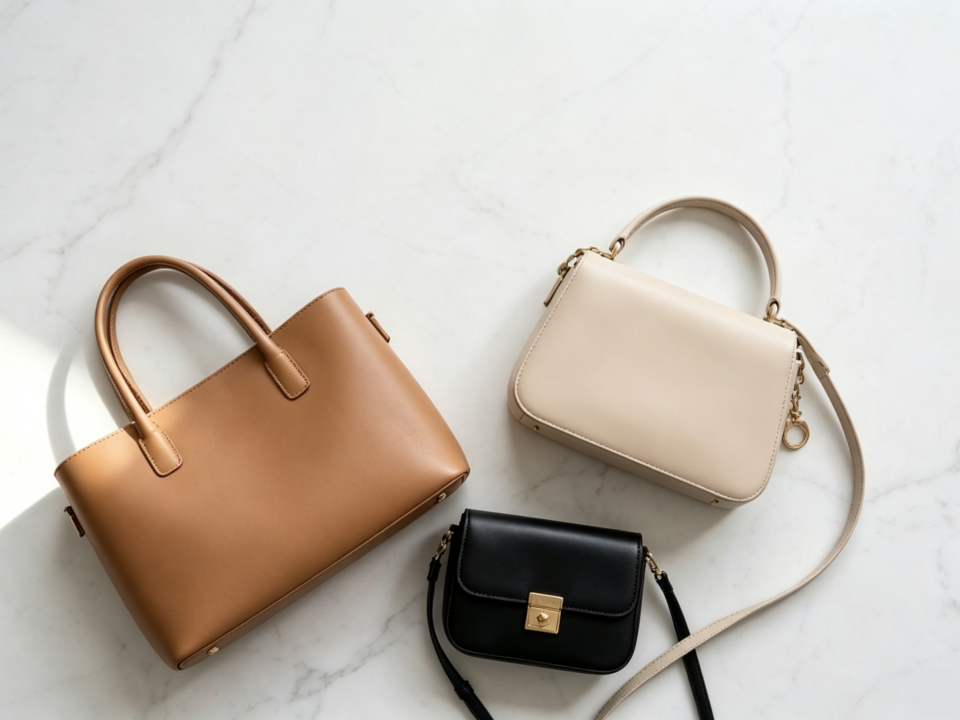
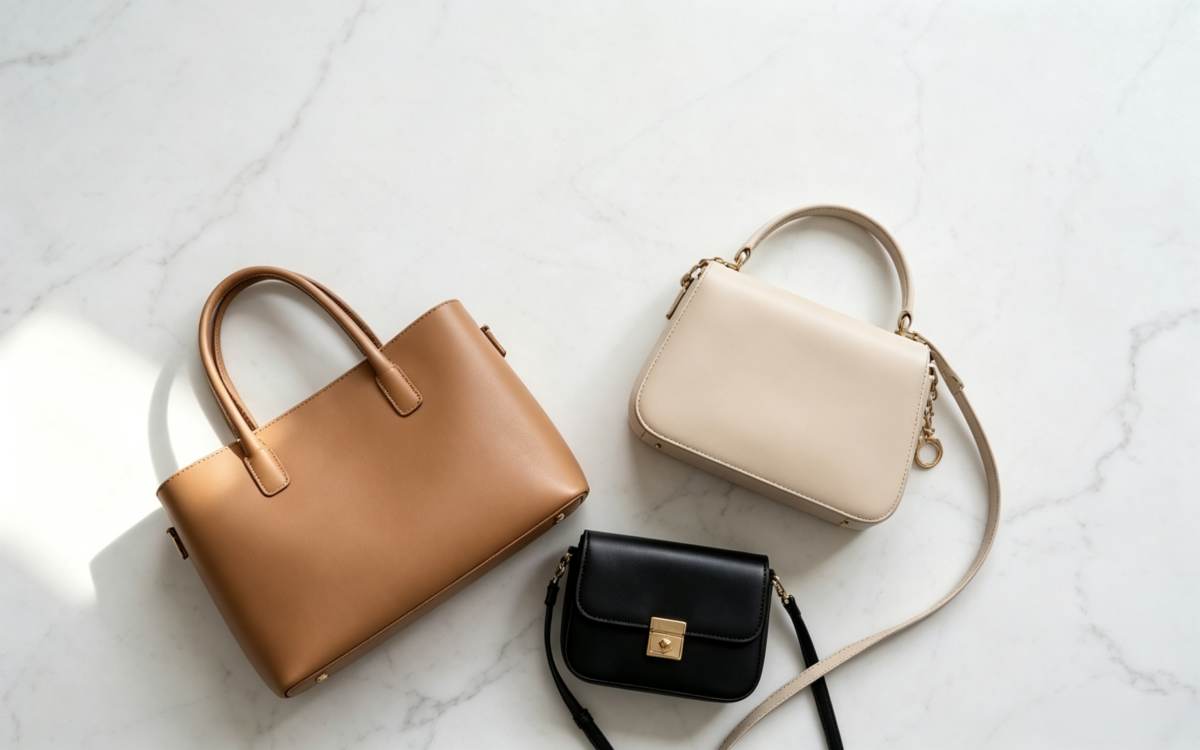
Improper storage is the biggest invisible killer of bags. Throwing bags randomly on shelves, stacking them together, or hanging heavy bags for a long time will cause irreversible damage to different materials. For leather bags, long-term extrusion will crack the leather surface and damage the natural oil layer, leading to dryness and peeling. For canvas and nylon bags, stacked storage will squeeze out permanent creases and accumulate dust and bacteria. For structured designer bags, improper placement will destroy their three-dimensional silhouette, making them loose and shapeless. In addition, humid and airless storage environments will breed mold, corrode hardware accessories, and cause metal buckles and chains to oxidize and rust. Standardized storage can effectively avoid all these problems, maintain the original texture and three-dimensional shape of the bag, and maximize the retention of its value and aesthetics.
Universal Pre-Storage Preparation for All Bags
Before putting your bags into long-term or daily storage, a complete pre-storage preparation is essential, which lays the foundation for long-term good maintenance. First, empty all internal items. Take out keys, coins, cosmetics, pens and other sundries in the bag to avoid heavy objects pressing the bottom to cause deformation, and prevent liquid cosmetics from leaking to stain the inner liner. Second, clean the bag surface and interior gently. Wipe leather bags with a professional leather care wipe, remove surface dust and slight stains; brush canvas and fabric bags gently with a soft-bristled brush to clean gap dust, and fully air-dry slightly damp bags to avoid mold growth. Third, remove detachable accessories such as chains, scarves and hardware pendants separately to prevent metal accessories from scratching the bag body or leaving indentations during storage. Finally, wait for the bag to be completely dry and free of moisture before starting formal storage.
Material-Specific Storage Methods (Core Guide)
1. Leather Bags (Genuine Leather, PU Leather)
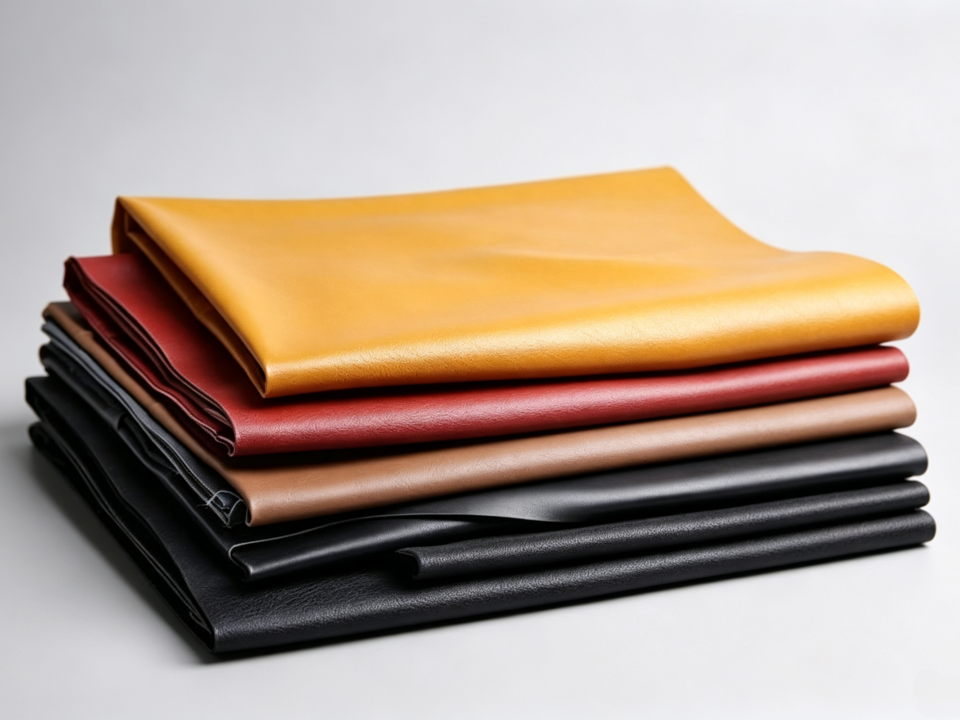
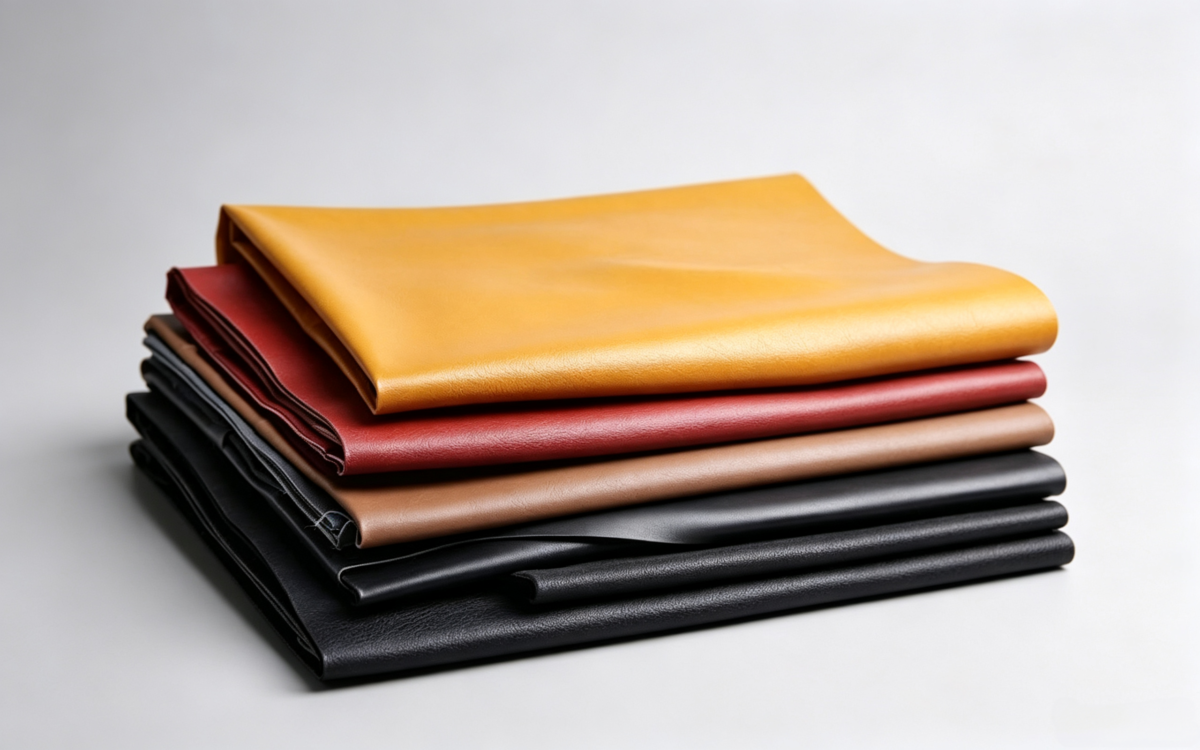
Leather bags are delicate and prone to deformation, dryness and oxidation, requiring the most careful storage. The most critical step is stuffing shaping fillers. Use clean acid-free tissue paper, cotton stuffing or professional bag pillows to fill the interior of the bag, fully support the corners, bottom and side walls, and maintain the three-dimensional original shape. Avoid using newspaper or ordinary printing paper, as the ink will penetrate and stain the leather over time. Then, put the filled leather bag into a breathable cotton dust bag, do not use sealed plastic bags, which will block air circulation, cause moisture accumulation, and lead to mold and leather deterioration. Place the bag flat on a dry, cool shelf, avoid extrusion, and stay away from direct sunlight, air conditioners and heating vents to prevent leather aging, fading and cracking.
 2. Canvas & Fabric Bags
Canvas and fabric bags are wear-resistant but easy to wrinkle and absorb dust. For soft unstructured fabric bags, you can fold them neatly according to their original lines, put them in independent small dust bags, and store them in layers to avoid heavy pressure. For structured canvas bags, it is still recommended to fill them with soft cotton paper to prevent the edges from collapsing. It is worth noting that fabric bags are easy to absorb moisture and breed mites, so they need to be stored in a dry environment. Regularly take them out for ventilation to keep the fabric dry and fresh. Do not store dirty fabric bags directly, as residual stains will oxidize and turn yellow over time, which is difficult to clean.
 3. Nylon & Waterproof Material Bags
Nylon and waterproof fabric bags are lightweight and tough, with strong ductility, but long-term extrusion will cause permanent creases and affect the flatness of the fabric. This kind of bag is suitable for flat storage, with a small amount of soft filler inside to avoid hollow collapse. Since the waterproof layer is easy to age and peel in a high-temperature and humid environment, avoid placing it in a closed and hot cabinet. Keep proper ventilation during storage. In addition, nylon bags are easy to generate static electricity and absorb dust, so it is necessary to cover a dust bag for isolation and protection.
 Taboos in Bag Storage (Avoid These Mistakes)
-
Avoid long-term hanging storage: Many people are used to hanging bags on hooks for convenience. However, long-term hanging of bags with heavy weight or soft materials will cause the handles to be stretched and deformed, the bag body to sag, and permanent distortion will occur, which cannot be restored.
-
Avoid layered stacking and heavy extrusion: Stacking multiple bags together will squeeze the lower bags out of irregular creases and damage the three-dimensional structure. Heavy pressure will also lead to loose stitching and deformed hardware.
-
Avoid sealed and humid storage: Plastic sealing storage cuts off air circulation, and the moisture inside the bag cannot be volatilized, easily inducing mold, odor and leather oxidation.
-
Avoid light and high-temperature exposure: Long-term sunlight exposure and high-temperature baking will accelerate material aging, cause bag fading, hardening, brittleness and damage.
Daily Maintenance & Long-Term Storage Tips
For daily used bags, develop a fixed storage habit: clean and tidy up the bag after use every day, place it flat in a fixed position, and avoid random placement and extrusion. For bags that are not used for a long time (more than one month), complete thorough cleaning, full drying and fixed shaping before storage, and replace the internal filler regularly every 2-3 months to keep the bag in a good supporting state. It is recommended to place a small bag of desiccant in the storage cabinet (do not directly contact the bag body) to absorb moisture and prevent mildew. For leather bags, you can do a simple leather care and oiling before long-term storage to nourish the leather and prevent dry cracking.
Conclusion
A well-maintained bag can accompany you for several years or even decades, retaining its original texture and fashion sense. Good bag maintenance does not require complicated operations, but depends on persistent scientific storage habits. By following the material-targeted storage methods and avoiding common storage mistakes mentioned above, you can easily protect your bags from deformation, mold, aging and damage, keep them in perfect shape all the time, and maximize the service life and collection value of your beloved accessories.