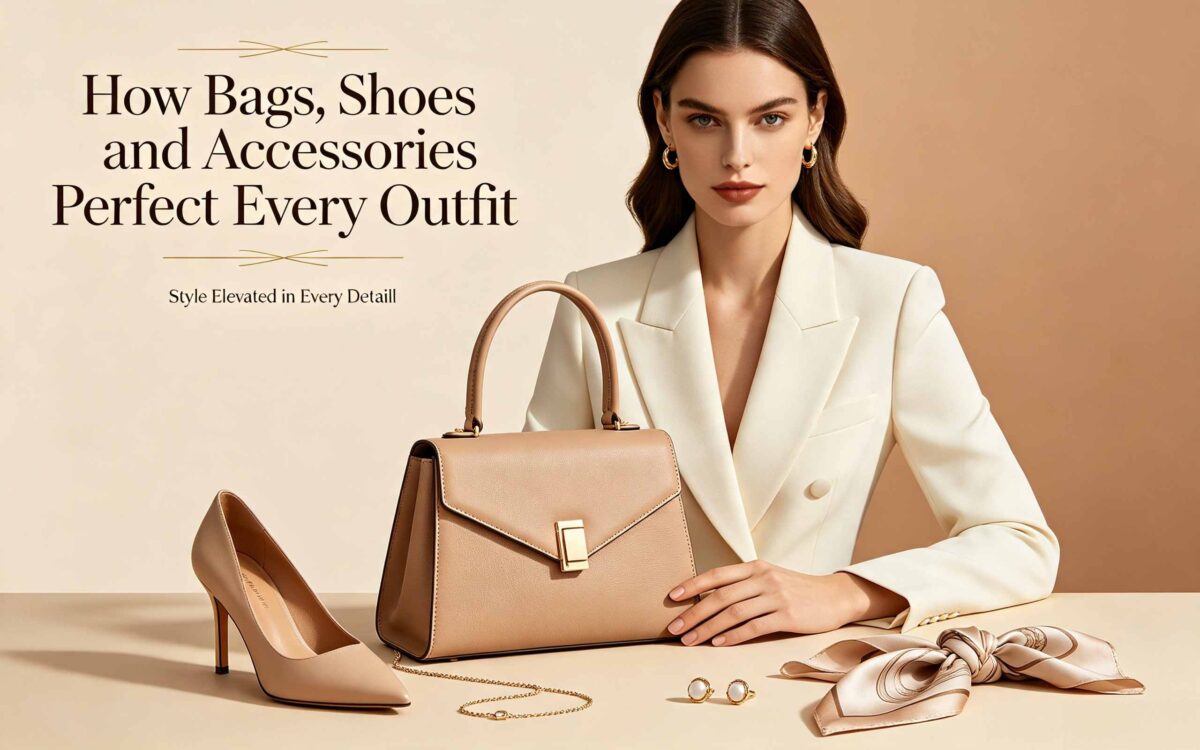
How Bags, Shoes and Accessories Perfect Every Outfit
2026年8月14日
The East-West Bag Trend: Why It’s Everywhere in 2026 — And How to Style Yours
2026年8月19日Lorem ipsum dolor sit amet, consectetur adipiscing elit, sed do eiusmod tempor incididunt ut labore et dolore magna aliqua. Ut enim ad minim veniam, quis nostrud exercitation ullamco laboris nisi ut aliquip ex ea commodo consequat. Duis aute irure dolor in reprehenderit in voluptate velit esse cillum dolore eu fugiat nulla pariatur. Excepteur sint occaecat cupidatat non proident, sunt in culpa qui officia deserunt mollit anim id est laborum.
If you source handbags at any scale, you’ve probably noticed something: PU leather keeps showing up everywhere — supplier catalogs, trade show samples, bestseller lists. And honestly, for good reason. The material has gotten genuinely good. Good enough that many of your retail customers won’t be able to distinguish a well-made PU bag from a genuine leather one at arm’s length.
But here’s the catch. There’s a mountain of confusing information floating around about PU leather. Some suppliers oversell it like it’s indistinguishable from full-grain calf. Some buyers dismiss it entirely without understanding what the material actually brings to the table. And the term “PU” gets thrown around so loosely that two bags carrying the same label can be worlds apart in quality.
This guide is here to cut through all of that. Whether you’re a wholesaler building your next seasonal collection, a boutique owner deciding what to stock, or a sourcing manager evaluating factories — here’s what you genuinely need to know.
What Is PU Leather, Really?
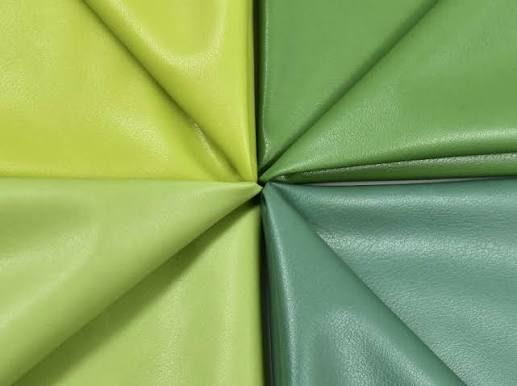
PU leather is short for polyurethane leather. It’s a synthetic material made by coating a fabric backing — usually cotton, polyester, or a blended non-woven — with a layer of polyurethane resin. That resin layer gets textured and finished to mimic the look and feel of natural animal hide.
The distinction that trips up most buyers: PU leather is not the same thing as PVC leather. Both are synthetic, yes. But they’re manufactured differently, and they perform very differently in real-world use. PVC (polyvinyl chloride) relies on a plasticizer-heavy process that produces a stiffer, less breathable material prone to cracking after a season or two. PU, by contrast, is softer, more flexible, and breathes noticeably better because the polyurethane coating is thinner and microscopically porous.
Translation: PU is the upgrade. If you’re weighing the two for handbags, PU is almost always the better call unless you specifically need that rigid, high-gloss patent look that cheap PVC delivers (and even then, a glossy PU finish will age better).
How PU Leather Is Made — And Why It Matters for Your Order
The manufacturing process directly determines what ends up in your hands, so it’s worth understanding even if you never plan to set foot on a factory floor.
1. Base Fabric Preparation
A woven or non-woven fabric is selected as the backing. Higher-end PU bags use dense, tightly woven backings that hold their shape over years of use. Budget options use loose, thin backings that stretch, warp, and sag within months.
2. Resin Coating
The polyurethane resin gets applied to the fabric in one or more layers. Premium PU uses what’s called a “wet process” — it creates a porous, micro-cellular structure that gives the material its leather-like breathability and soft hand feel. Budget PU uses a “dry process” that’s faster and cheaper but produces a flatter, less nuanced surface. The difference is immediately obvious if you hold samples of each side by side.
3. Embossing and Finishing
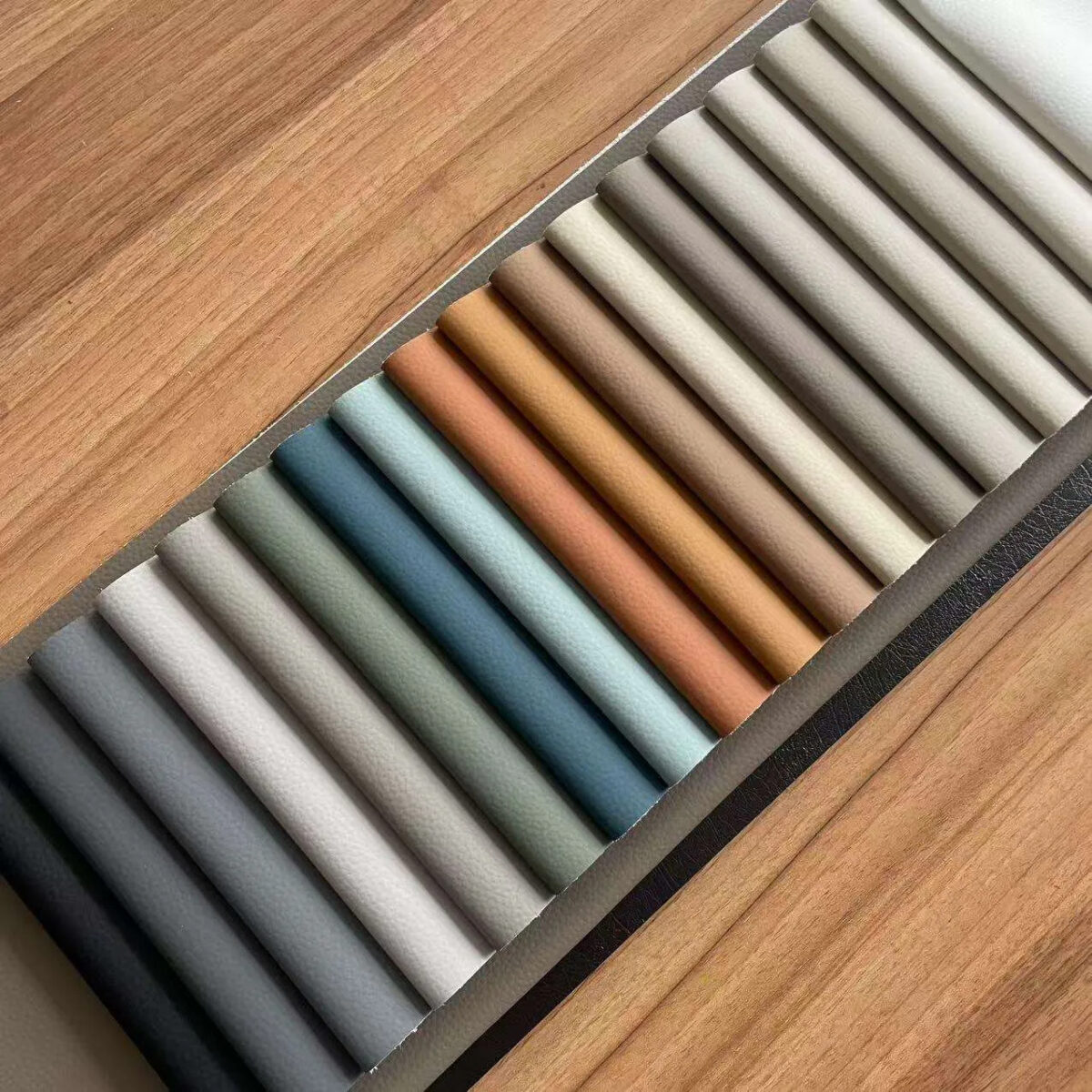
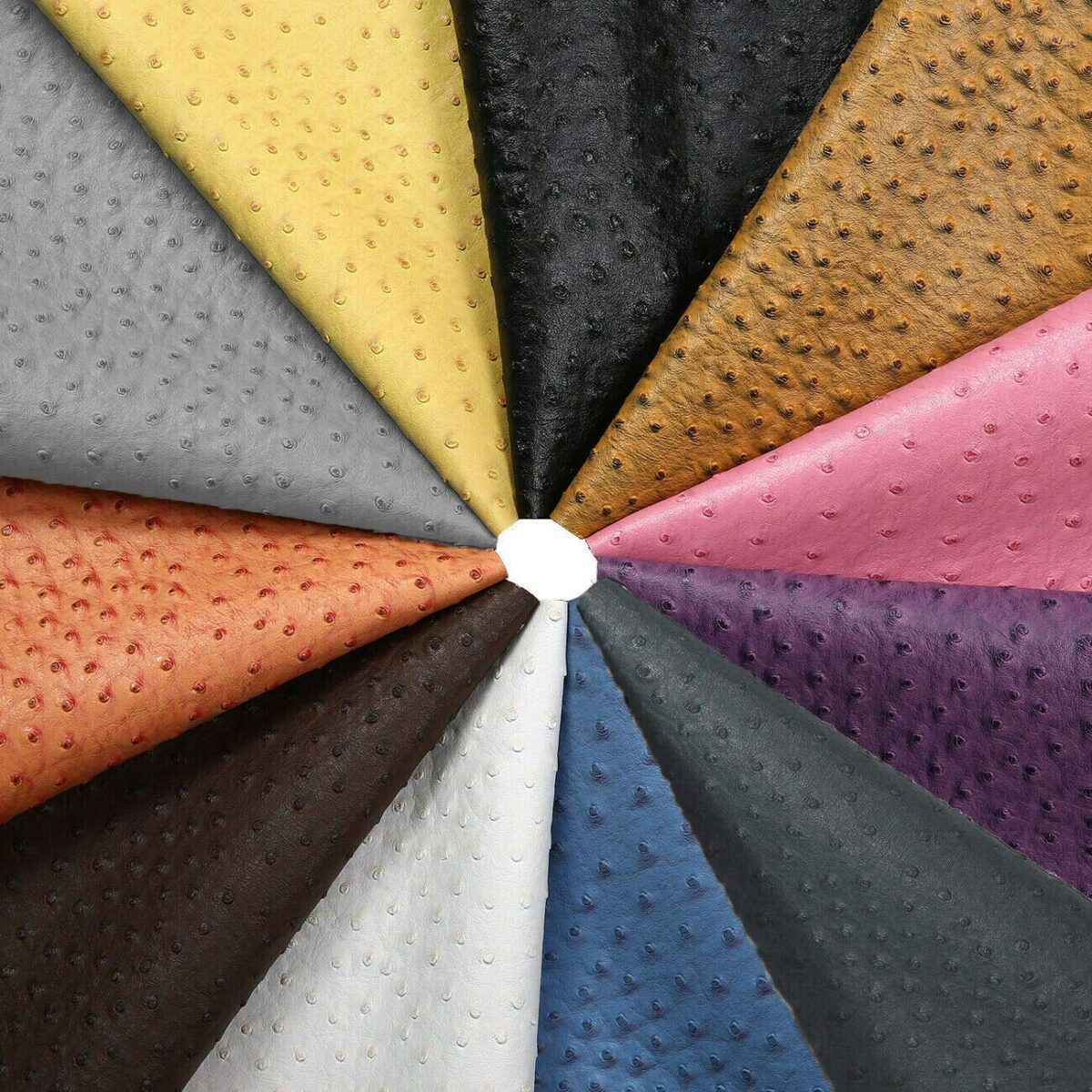
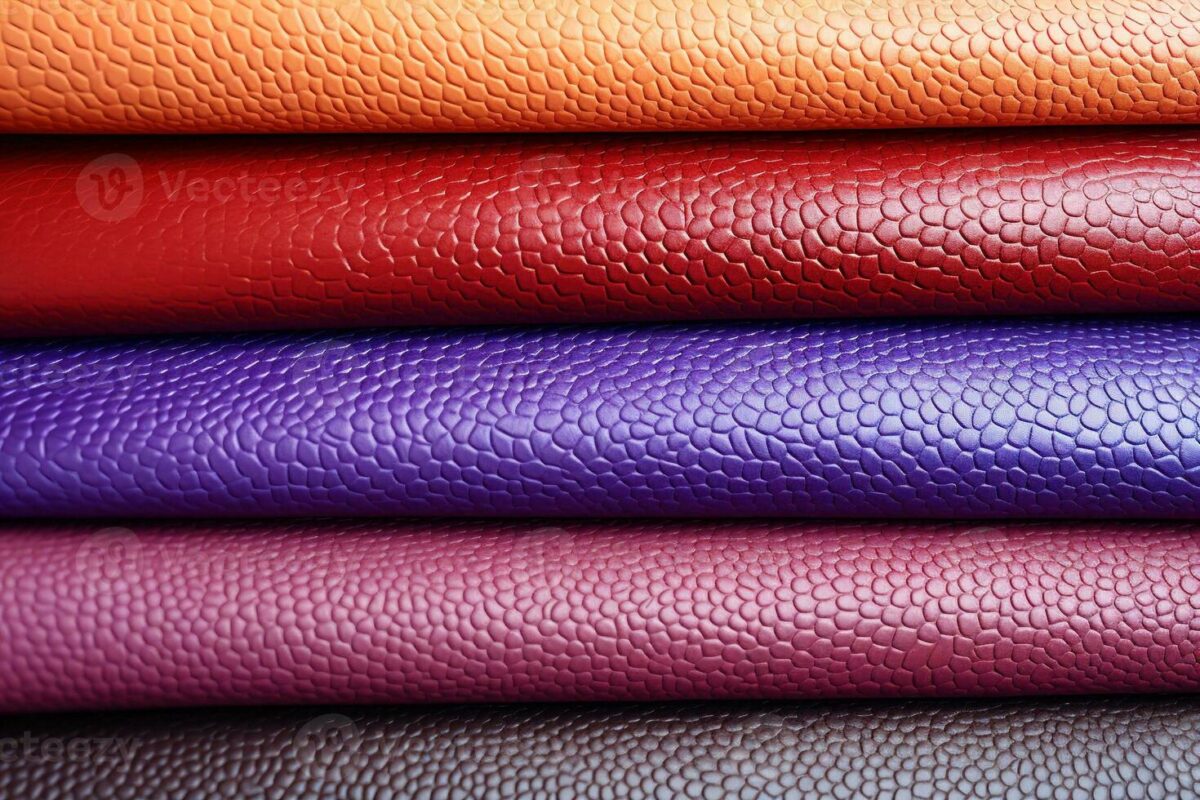
The surface is embossed with a texture — pebble grain, smooth nappa, saffiano cross-hatch, distressed vintage — and then treated with finishes for color depth, sheen level, and durability. This is where the craftsmanship comes in. A well-finished PU surface can look remarkably like full-grain leather. A poorly finished one looks like… well, a cheap vinyl tablecloth.
4. Performance Treatment
Top-tier PU goes through additional treatments: anti-abrasion coatings, UV stabilizers, softening agents. These add maybe $0.30–0.50 to the per-unit cost but dramatically improve how the bag holds up over time.
The label “PU” tells you the material category. It doesn’t tell you the quality. Two bags both labeled PU leather can represent a 3x difference in manufacturing cost — and you’ll feel every cent of that gap after six months on the shelf.
PU Leather vs. Genuine Leather: An Honest Comparison
Let’s settle this properly, because the question comes up in nearly every sourcing conversation we have.
Price
PU leather bags typically cost 40–70% less than genuine leather equivalents. A structured tote that runs $18 FOB in PU could easily hit $35–55 in genuine leather, same construction. That gap matters enormously when you’re building a collection with 20 or 30 SKUs and every dollar of landed cost chips away at your retail margin.
Weight
PU is lighter — usually 20–30% lighter than a comparable leather bag. For everyday totes, crossbody styles, and travel bags, that’s a genuine selling point. Customers notice weight. A bag that feels substantial but doesn’t drag on the shoulder? That’s a repeat purchase trigger.
Durability
Here’s where it gets nuanced. Genuine leather, properly maintained, can last decades. PU leather typically has a functional lifespan of 2–5 years depending on quality and usage patterns. But here’s the thing — most fashion handbags get retired long before they physically wear out, because styles change and customers move on. If your audience replaces bags every 1–2 years (and the vast majority do), PU’s shorter lifespan is largely a non-issue commercially.
Consistency
PU wins this category hands down. Every yard comes off the roll looking identical. No hide marks, no color variation across a production run, no weak spots from natural skin imperfections. For a brand trying to maintain tight quality standards across thousands of units, that consistency is worth its weight in gold.
Breathability
Genuine leather breathes naturally. PU — especially the wet-processed premium grades — breathes reasonably well but can’t match the real thing. Low-quality dry-processed PU can feel clammy in hot, humid climates. If you’re selling into Southeast Asia, West Africa, or tropical Latin American markets, always specify wet-processed PU. Your customers will thank you, even if they don’t know why.
Ethics and Sustainability
PU leather contains zero animal products, which puts it squarely in the growing vegan and cruelty-free market segment. On the environmental side, it’s complicated — polyurethane is petroleum-derived and not biodegradable. But genuine leather tanning is also environmentally heavy: chromium tanning uses enormous volumes of water and produces chemical runoff. Neither material is a clean environmental winner. If sustainability is part of your brand narrative, look specifically for water-based PU coatings, which cut VOC emissions during manufacturing significantly.
How to Spot Quality PU Leather Before You Place the Order
This is the section most sourcing guides skip, and it’s the one that’ll save you the most money. Print this out. Take it to your next factory visit.
The Press Test. Press your thumb firmly into the surface. Quality PU will show fine wrinkles radiating from the pressure point, then recover within seconds. Cheap PU either won’t wrinkle at all (the coating is too thick and stiff — it’ll crack eventually) or will stay wrinkled (poor resin elasticity means it’s already degrading).
The Edge Check. Look at the edges, corners, and any cut points on the sample. Good PU has clean, sealed edges that don’t fray or flake. If you can see the fabric backing starting to separate from the coating at stress points, that’s a red flag. The delamination will only get worse in transit and on the shelf.
The Flex Test. Bend the material sharply — fold it back on itself. You should not see cracking, peeling, or a white chalky residue appearing along the fold line. Some very slight surface texture change is normal and acceptable. Visible cracking is not.
The Smell Test. PU leather has a mild, slightly chemical scent when brand new — this fades within a few days of airing out. But if a sample smells strongly of plastic, or has a harsh, eye-watering chemical odor, the resin formulation is low-grade. That bag will degrade faster, and the smell may persist long enough to reach your customer’s unboxing experience.
The Stitch Surface. Examine how the material behaves around stitched seams. Quality PU holds stitches cleanly without dimpling, stretching, or puckering. Inferior PU will pucker around seam lines — sometimes immediately, sometimes after a few weeks of use. Either way, it looks cheap.
PU Leather Bag Care: What to Pass On to Your Customers
Here’s a quick care guide you can adapt for product inserts, website FAQs, or social media posts:
- Keep it dry. PU handles light moisture fine, but soaking breaks down the resin over time. If a bag gets properly wet, blot — don’t rub — with a soft cloth and let it air dry away from direct heat.
- Avoid high heat. Don’t leave PU bags in hot cars or near radiators. The coating can warp, stiffen, or crack above 60°C (140°F). This is the single most common cause of premature PU failure.
- Clean with mild soap. A damp cloth with a drop of gentle dish soap handles most everyday stains. Skip the alcohol-based cleaners and antibacterial wipes — they strip the surface finish and accelerate aging.
- Store stuffed. Keep bags stuffed with acid-free tissue paper in a dust bag when not in use. This prevents creasing at fold points and helps the bag hold its structural shape between seasons.
- Skip the leather conditioner. Unlike genuine leather, PU doesn’t benefit from oils or conditioning balms. These can actually damage the polyurethane coating and cause it to break down faster. A dry microfiber cloth wipe-down is all the maintenance a PU bag needs.
Why PU Leather Makes Sense for Your Next Collection
Let’s tie this back to the actual business decision sitting on your desk.
If you’re selling handbags in the $15–60 retail range — which covers the vast majority of non-luxury handbag sales globally — PU leather is arguably the strongest material choice available to you right now. It delivers the leather aesthetic your customers want, at price points that protect your margins, with the production consistency you need to scale without quality surprises.
The key, as always, is sourcing it right. Find a factory that uses wet-processed PU. Specify quality fabric backings. Insist on proper finishing and anti-abrasion treatment. Pay the extra thirty cents per unit. Those small, unglamorous decisions are the difference between a bag that earns you repeat customers and one that ends up discounted in a clearance bin — or worse, returned.
PU leather isn’t a compromise. Done well, it’s a strategy. And in a market where margins keep getting squeezed and customers want the leather look without the leather price tag, it might be the smartest material decision you make this season.
* * *
Looking for a reliable PU leather bag supplier? Lyla Bags manufactures wholesale PU, textile, straw, EVA, and PVC handbags for buyers across Europe, North America, Southeast Asia, Africa, and Latin America. Send us your spec sheet or browse our latest collection — we’ll get you a quote within 48 hours.