Craftsmanship Behind Every Luxury Purse
2026年6月17日
Shoulder Bag vs Crossbody vs Top Handle: Pros & Cons
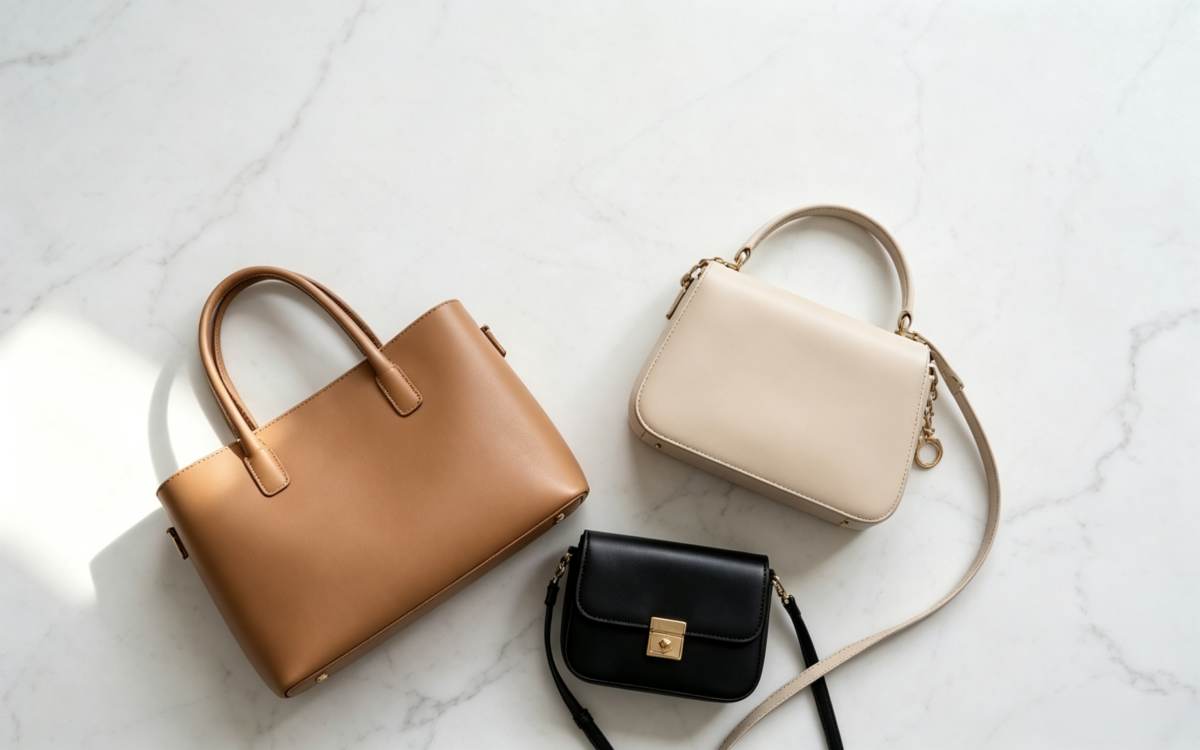
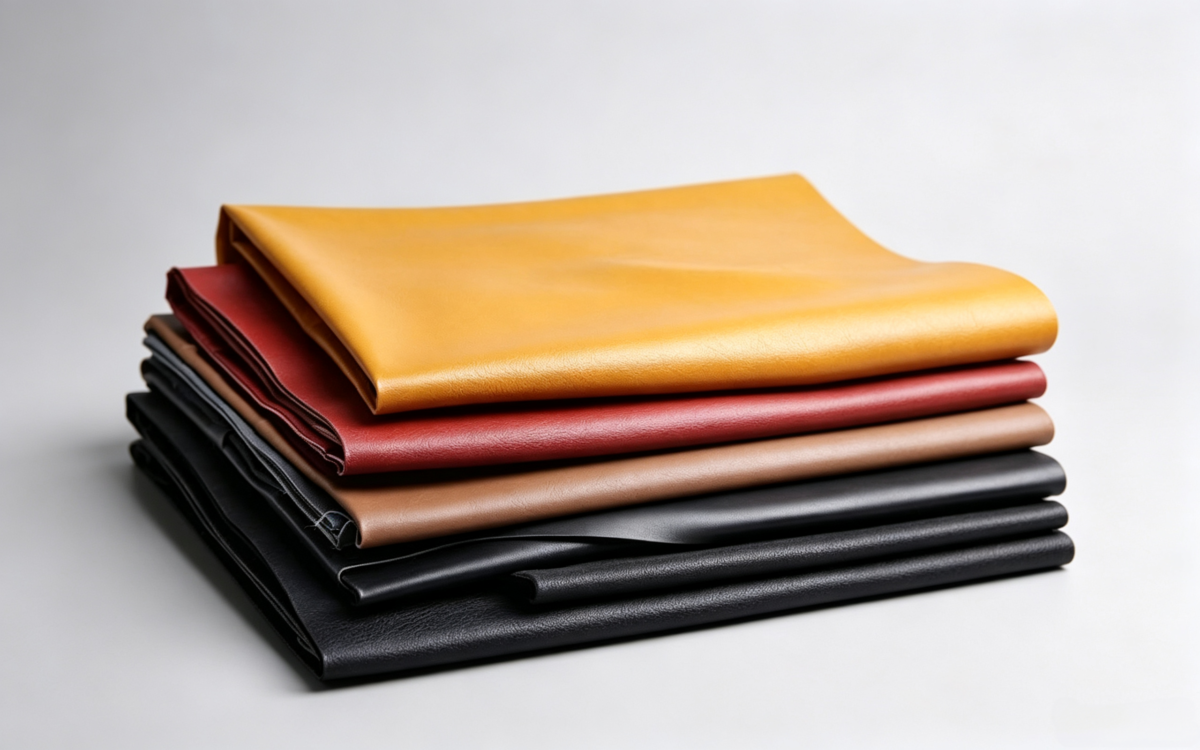
2026年6月22日A luxury handbag is more than a fashion accessory—it is a timeless investment, a craft piece, and a core part of your personal style. Every designer bag, whether crafted from premium calfskin, lambskin, suede, or exotic leather, features delicate textures and tailored silhouettes that require meticulous care. Improper daily storage is the leading cause of irreversible damage: accidental surface scratches, sagging bottoms, distorted outlines, stretched handles, and creased leather can easily diminish the bag’s aesthetic charm and resale value.
To preserve your handbag’s original sleek shape, flawless finish, and long-term durability, we’ve curated professional, collector-level storage tips. These practical and sophisticated methods avoid routine maintenance mistakes, keeping your handbags in brand-new condition for years.
1. Pre-Storage Preparation: Eliminate Hidden Damage
Never store a handbag directly after use. Residual dust, makeup stains, oil stains, and tiny debris in the interior will corrode the leather and hardware over time, causing dullness, discoloration, and mold growth.
First, empty all contents including cards, coins, and cosmetics, then gently wipe the interior and exterior with a soft lint-free microfiber cloth. For leather bags, apply a tiny amount of pH-balanced leather conditioner to nourish the surface, restore softness, and prevent dry cracking. For metal hardware (zippers, clasps, chains), buff lightly with a dedicated jewelry polishing cloth to remove oxidation and faint scratches. Finally, leave the bag in a cool, dry, ventilated place for 2–3 hours to fully dissipate residual moisture before formal storage.

2. Shape Maintenance: Avoid Sagging & Deformation
Loss of original silhouette is the most common issue with long-term stored handbags. Empty bags are prone to bottom sagging and side creases due to gravity, while overstuffing will stretch the seams and distort the outline. The key is moderate and scientific filling.
Use acid-free, dye-free tissue paper or professional handbag stuffing cotton to fill the interior. Focus on supporting the bottom, side panels, and curved corners to fit the bag’s natural shape without overstuffing. For structured tote bags and bucket bags, add a lightweight base shaper to keep the bottom flat and prevent uneven sagging. For soft leather shoulder bags and crossbody bags, avoid excessive compression and keep the filling fluffy to maintain a soft three-dimensional silhouette.
Key Taboo: Never use printed newspaper or colored paper for filling. Fading ink will stain the inner lining and delicate leather permanently.

3. Anti-Scratch Storage Method: Isolate Friction & Wear
Luxury leather, suede, and patent leather are extremely sensitive to friction and hard object collision. Daily scratches mostly come from unprotected contact with other bags, hardware friction, and hard surface extrusion.
Every idle handbag must be stored in a breathable original dust bag. Dust bags isolate dust, light friction, and external scratches while allowing air circulation to prevent stuffy moisture. Avoid plastic sealed bags for long-term storage—plastic traps humidity, breeds mold, and makes leather sticky and dull.
When storing multiple bags, place them independently with spacing, avoid stacking and squeezing. Keep hardware facing inward or wrapped with soft cotton paper to prevent metal friction and collision scratches on the leather surface. Suede bags need extra attention: isolate from smooth leather bags to avoid lint adhesion and texture damage.
 4. Correct Placement Posture: Fix Deformation Root Cause
Most handbag deformation is caused by wrong placement habits. Many people prefer hanging bags for convenience, but long-term hanging will stretch the handles, deform the connection joints, and pull the bag mouth out of shape under gravity.
Best Storage Posture: Flat horizontal storage is the most friendly way for all handbags. Place the filled and dust-bag-wrapped bag flat on a dry shelf or storage box, with no external pressure. For small mini bags and hard-shell bags, upright placement is acceptable, but ensure the bottom bears force evenly without tilting.
Avoid long-term side lying, single-point force, and heavy pressure. Do not place sundries on the top of handbags, which will crush the three-dimensional silhouette and form permanent dead creases.
 5. Environment Control: Anti-Mold & Anti-Aging
Temperature and humidity are critical to handbag service life. Leather materials are prone to moisture absorption, mildew, discoloration, and hardening in humid environments; long-term direct sunlight will cause leather fading, brittleness, and texture aging.
The ideal storage environment is constant temperature, dry, cool, and ventilated. Avoid storing handbags in basements, attics, and other humid or high-temperature areas. Place a small number of silica gel desiccant packets in the storage cabinet (do not directly contact the bag) to absorb excess moisture and prevent mildew.
Keep handbags away from direct sunlight and strong lamp light to avoid UV damage. Regularly open the cabinet for ventilation on dry days to keep the storage environment fresh and dry.
 6. Regular Maintenance & Inspection
For handbags stored for a long time (more than 2 weeks), regular inspection and ventilation are essential. Take out the bag every 1–2 months, remove the filling, gently shake off internal dust, and air it in a cool and ventilated place for 1–2 hours. Check the leather surface and hardware for mildew, oxidation, or faint scratches, and perform timely maintenance.
Avoid long-term closed storage. Proper ventilation can keep the leather breathable and flexible, preventing hardening and aging. Rotate the use of handbags reasonably to avoid long-term static placement, which helps maintain the best silhouette and texture.
 Final Conclusion
A high-quality handbag is a lasting companion. Its service life and texture presentation depend not only on exquisite craftsmanship but also on daily refined storage. Scientific anti-scratch, anti-deformation, and moisture-proof maintenance can protect your fashion investment, keep every handbag in pristine condition, and retain its timeless luxury texture and high resale value.