The East-West Bag Trend: Why It’s Everywhere in 2026 — And How to Style Yours
2026年8月19日August has arrived, and if you’re a handbag wholesaler or boutique buyer who hasn’t locked in your fall/winter collection yet — this is your wake-up call. The F/W reorder window is narrowing by the week. The factories producing the best-selling styles are already filling their production slots for September and October delivery. Wait too long, and you’re picking from leftovers, not from what’s trending.
But timing is only half the battle. The other half is knowing what to actually buy. This guide breaks down the handbag trends shaping Fall/Winter 2026 — not the runway fantasy version, but the styles that are genuinely moving through wholesale channels and landing on shelves where customers open their wallets.
The Macro Shift: Quiet Luxury Is Still Winning
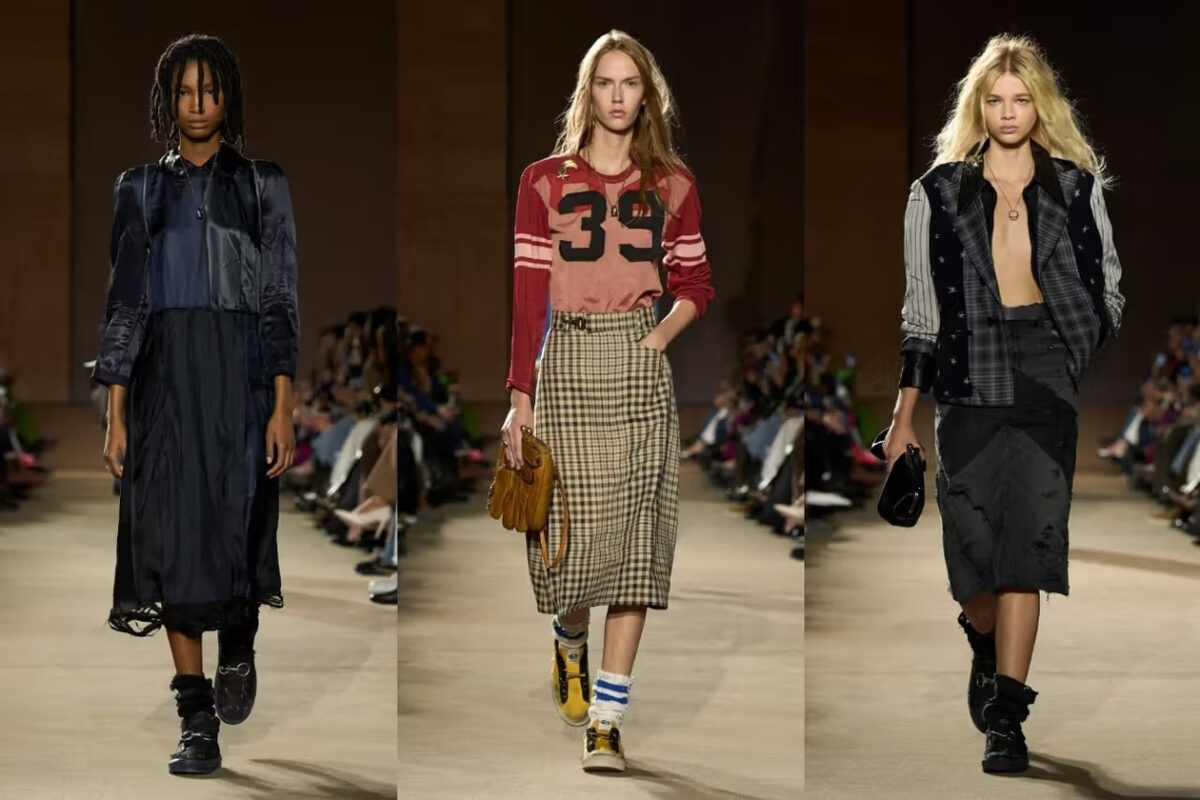
Here’s the big picture. The quiet-luxury movement that dominated 2024 and 2025 isn’t going anywhere for F/W 2026 — but it’s evolving. The overt logos and flashy hardware of the late 2010s have been thoroughly buried. What’s replacing them is a more confident, understated aesthetic: clean lines, rich textures, deep seasonal colors, and bags that look expensive without screaming about it.
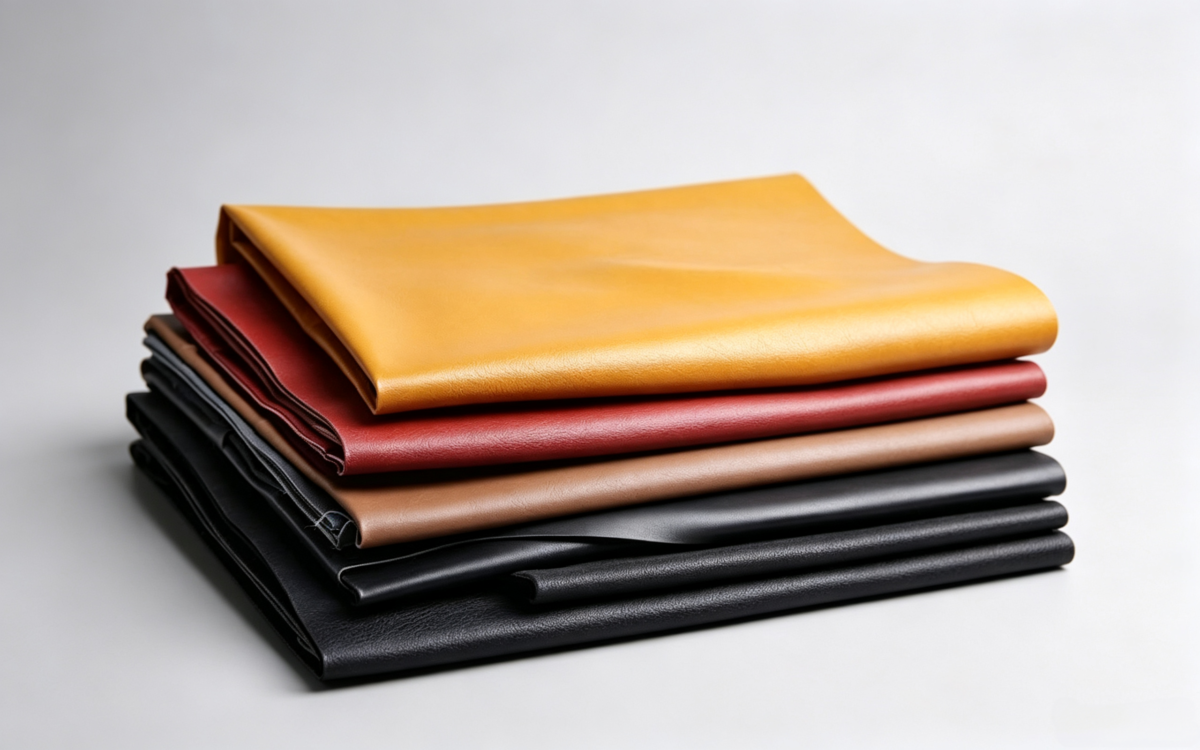
For wholesale buyers, this trend matters more than you might think. Quiet luxury translates beautifully into PU leather and textile materials. A well-structured PU top-handle bag in chocolate brown with minimal hardware reads as premium to the end customer — at a fraction of the genuine leather production cost. That gap between perceived value and actual cost? That’s your margin.
The 7 Styles Defining F/W 2026
1. Structured Top-Handle Bags
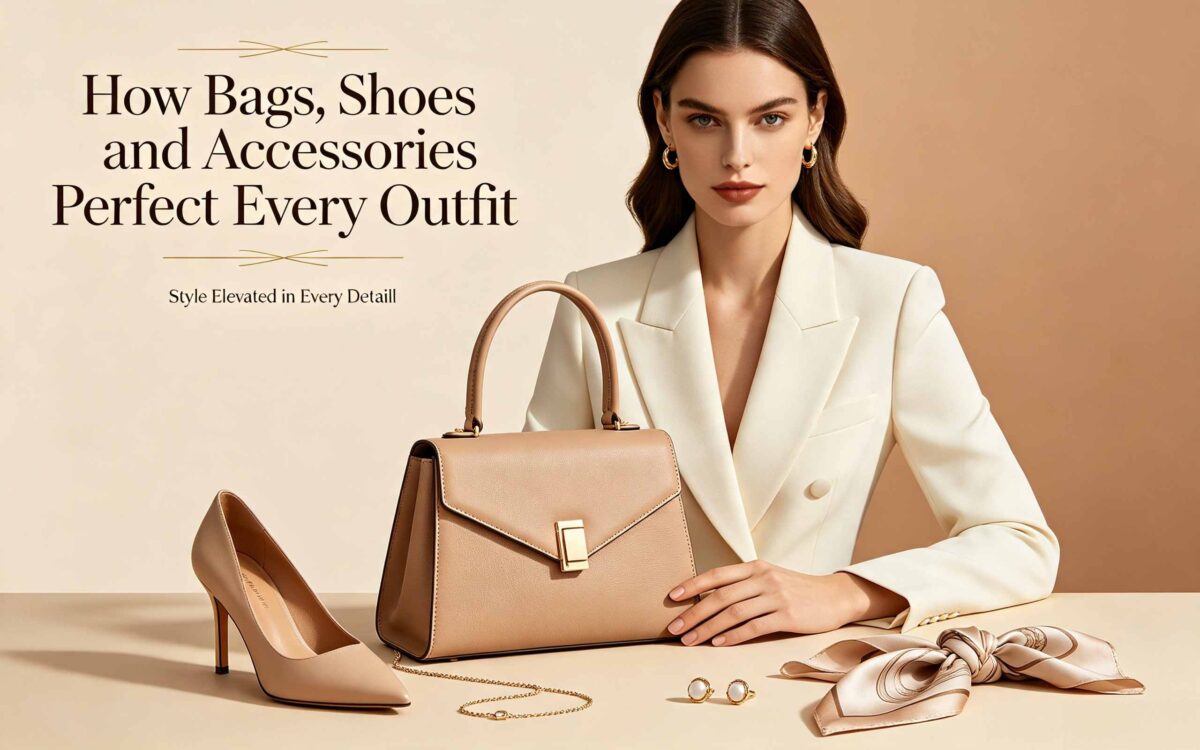
The structured top-handle silhouette is the backbone of this season. Think clean, architectural lines, a rigid frame, and a short handle that sits in the crook of the arm. This shape taps directly into the old-money aesthetic still driving retail sales across Europe and North America.
For sourcing: specify rigid internal structuring (cardboard or plastic frame sheets), and choose PU with a saffiano or pebble-grain emboss. These textures hold their shape better and resist the sagging that kills a structured bag’s appeal after a few weeks on the shelf.
2. East-West Crossbody Bags
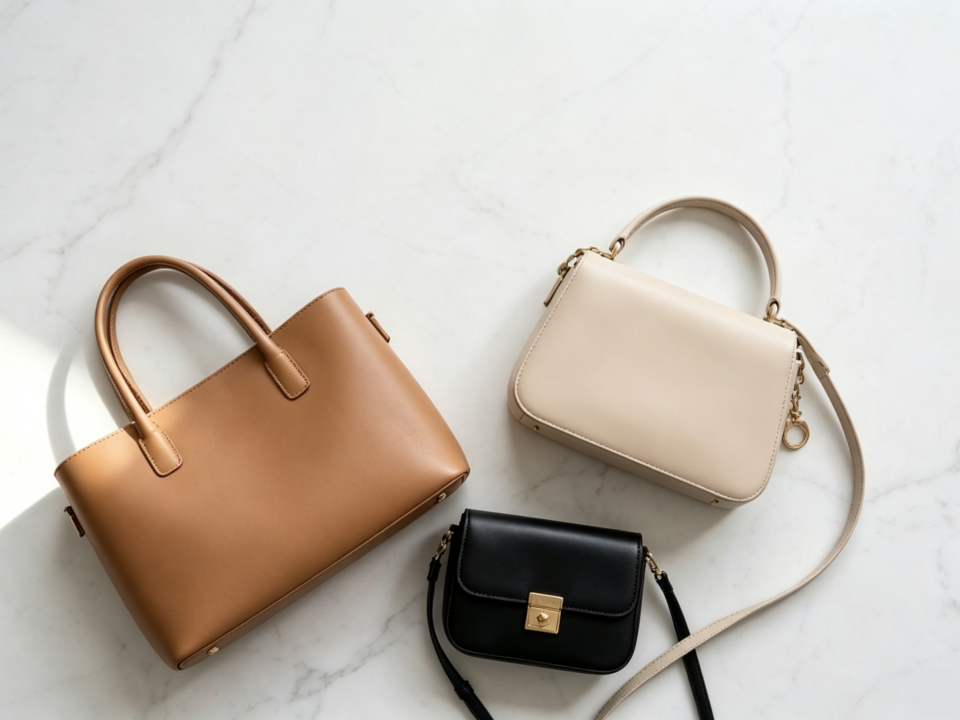
Horizontal, wide-format crossbody bags continue their run from spring straight into fall. The east-west shape offers something most vertical totes don’t — it sits flat against the body, doesn’t bump into doorframes, and carries enough without looking bulky. Practical is selling right now, and this shape is the definition of practical.
If your spring collection included east-west styles and they moved well, reorder in seasonal color updates. If you haven’t tested this shape yet, F/W 2026 is the season to do it.
3. Oversized Soft Totes
Work-from-anywhere is still a lifestyle reality for millions of consumers, and the oversized soft tote is the bag that serves it. Laptop, water bottle, snack container, maybe a pair of flats for the commute home — these bags need to carry a day’s worth of stuff without looking like a gym duffel.
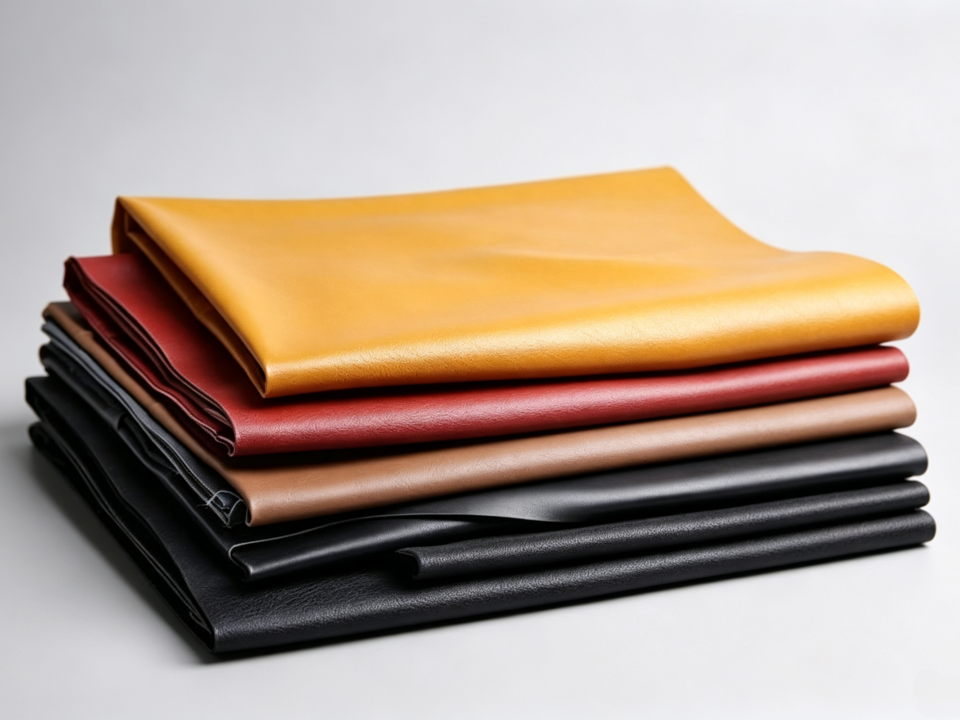
For F/W 2026, the key update is texture. Smooth flat PU is out for this category. Look for washed or distressed PU finishes, quilted surfaces, or canvas-backed PU blends. The texture signals “premium” in a way flat finish simply can’t.
4. Suede-Texture Shoulder Bags
Suede-look PU is having a genuine moment. The brushed, napped finish adds warmth and depth that flat PU can’t match — exactly what fall and winter merchandising calls for. Shoulder bags with a soft, slouchy silhouette in suede-texture PU are moving fast through wholesale channels, particularly in caramel, taupe, and burgundy.
One sourcing note worth flagging: suede-texture PU is more prone to visible scuffing than smooth PU. If you’re shipping to markets where bags get handled roughly in transit — long supply chains to West Africa or inland Latin America, for instance — specify a protective overcoat treatment. It adds a little cost but prevents the kind of surface damage that triggers returns.
5. Flap Bags with Chain Straps
The flap-and-chain combination is a perennial that keeps getting refreshed. For F/W 2026, the update is chunkier chains — thicker, more substantial metal links, often in antique gold or gunmetal rather than the shiny gold of seasons past. The bag itself stays compact. The chain strap makes the statement.
This style performs well across all your target markets. European boutiques love it. Southeast Asian retailers reorder it consistently. Latin American buyers respond to the slightly dressier feel. It’s one of those rare shapes that crosses cultural boundaries without modification.
6. Quilted and Diamond-Stitched Bags
Quilted textures have been building for three seasons and hit their stride for F/W 2026. The diamond-stitch pattern — traditionally associated with high-end French fashion houses — is now achievable in PU at accessible wholesale price points. This is a direct beneficiary of the quiet-luxury trend: the quilting does the talking, no logos needed.
For wholesale buyers, quilted PU bags offer excellent perceived value. The stitching adds a craftsmanship signal that justifies a higher retail price point without increasing your material cost in any meaningful way. Your retail customers can mark these up with confidence.
7. Weekender and Cabin Bags
Travel recovery is still fueling demand for cabin-size weekender bags. F/W 2026 sees this category shifting toward more structured, less floppy designs — the duffel is getting architecture. Look for styles with reinforced bases, metal feet, and top handles paired with a detachable shoulder strap.
Crocodile-embossed PU in dark brown or black is the standout finish for this category. It reads premium, hides scuffs from travel, and photographs beautifully for e-commerce — which matters when your retail customers are selling primarily through Instagram and online marketplaces.
The F/W 2026 Color Story
Color selection can make or break a seasonal collection. Here’s what’s actually working for Fall/Winter 2026 — not what the trend agencies say, but what’s selling through to end consumers.
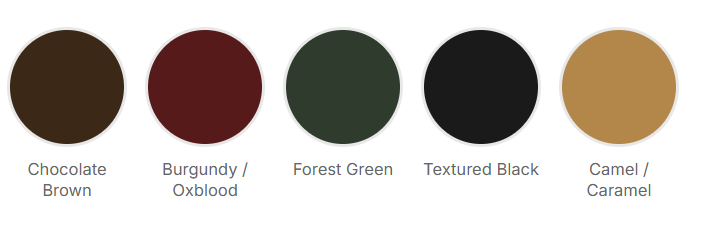
Chocolate Brown. The breakout color of the season. After years of black dominating F/W palettes, brown is back — and not the tan of last year. Deep, rich chocolate brown in PU leather reads as warm, premium, and distinctly autumnal. If you stock one color experiment this season, make it this one. Put it in structured top-handle and tote styles.
Burgundy and Oxblood. A perennial F/W favorite that cycles back every few seasons. Burgundy sells reliably from October through February. Pair it with gold hardware for a classic look or gunmetal for something more contemporary. This color has strong crossover appeal in both Western markets and Southeast Asia.
Forest and Olive Green. Green has been gaining traction since spring 2026, and the deeper forest and olive tones are translating well into fall. This color works particularly well in suede-texture PU — the napped finish softens the green into something rich rather than flat. Don’t overbuy here; green is still an accent color, not a volume driver. One or two SKUs is enough.
Classic Black with a Twist. Black never leaves the F/W palette, but the 2026 update is texture, not color. Quilted black, crocodile-embossed black, black with contrasting stitching — these textural variations are what make black feel fresh instead of default. Your volume orders should still skew black. Just make sure they’re not all flat-surface black.
Camel and Caramel. The lighter end of the brown spectrum. Camel and caramel tones in suede-texture PU are selling especially well in European boutiques. For tropical and Southern Hemisphere markets — where “fall” doesn’t mean cold weather — these lighter browns bridge the seasonal gap nicely. If you supply buyers in equatorial regions, lead with camel before chocolate.
What This Means for Your Wholesale Order
Timing first. If you’re reading this in August, you have a window — but it’s closing. Quality factories are booking production slots for September and October delivery right now. The styles and colors described above are the ones that will sell through November and December. Place your purchase orders by late August, and you’ll have goods on the dock by mid-October. Wait until September to decide, and you’re looking at November delivery — which means you’ve missed the peak selling weeks entirely.
Second, build your collection with a tiered approach. Not every style needs to be a hero piece. A practical F/W wholesale collection looks something like this:
- 2–3 hero styles — the structured top-handles and oversized totes that anchor your collection and generate the most attention. Invest in quality PU, premium hardware, and the season’s breakout colors (chocolate brown, burgundy). These are your lookbook stars.
- 4–5 volume drivers — the east-west crossbodies, flap-and-chain bags, and quilted shoulder bags that sell in the highest unit counts. These are your bread and butter. Spec them in classic colors (black, brown) with one or two seasonal color variations to test.
- 2–3 specialty pieces — the weekender bags, the suede-texture styles, the crocodile-embossed pieces. These might sell in lower volumes, but they’re the styles that make your collection look curated rather than cookie-cutter. Retailers notice range. So do their customers.
The single biggest difference between a flat, uninspiring F/W collection and one that sells through is textural variety. If every bag in your line is smooth PU in dark colors, the whole range looks like a wall of dark leather. Mix in quilted finishes, embossed textures, suede-touch surfaces — and the collection comes alive.
Third, and this ties back to the texture point: don’t put all your budget into one material finish. A collection where every bag is smooth pebble-grain PU looks flat in a showroom and flat on a website. Split your order across at least three surface treatments — say, smooth, quilted, and embossed. The visual range does two things: it makes your line look bigger than it is, and it gives your retail customers a reason to order across multiple styles instead of cherry-picking one.
The Bottom Line
Fall/Winter 2026 is a season where substance wins over flash. The trends reward clean design, rich texture, and smart color selection — all things that PU leather, textile blends, and other non-leather materials deliver exceptionally well. You don’t need genuine leather to compete in this market. You need the right shapes, the right textures, and the timing to get them on shelves before the season peaks.
The clock is ticking. The factories producing the best work are taking orders now, and the styles moving fastest are the ones described above — structured, textured, quietly confident. The data from spring and summer 2026 already confirms the trajectory. The only question left is whether you’ll have the inventory in hand when your customers are ready to buy.
* * *
Ready to build your F/W 2026 collection? Lyla Bags manufactures wholesale PU, textile, straw, EVA, and PVC handbags for buyers across Europe, North America, Southeast Asia, Africa, and Latin America. Send us your spec sheet or request our F/W 2026 lookbook — we’ll get you a quote within 48 hours.