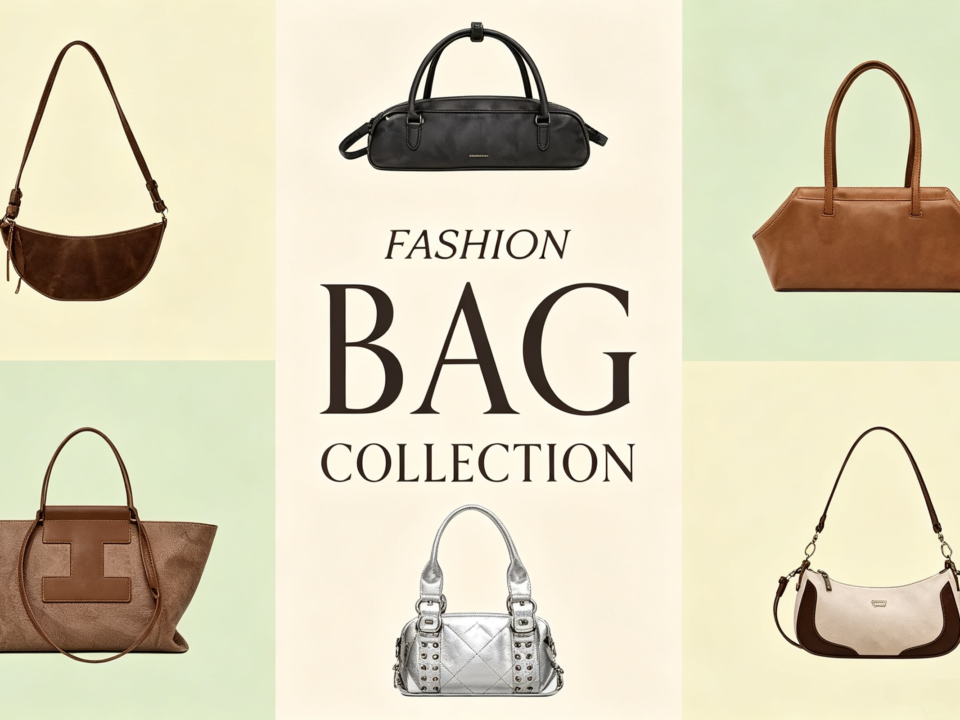
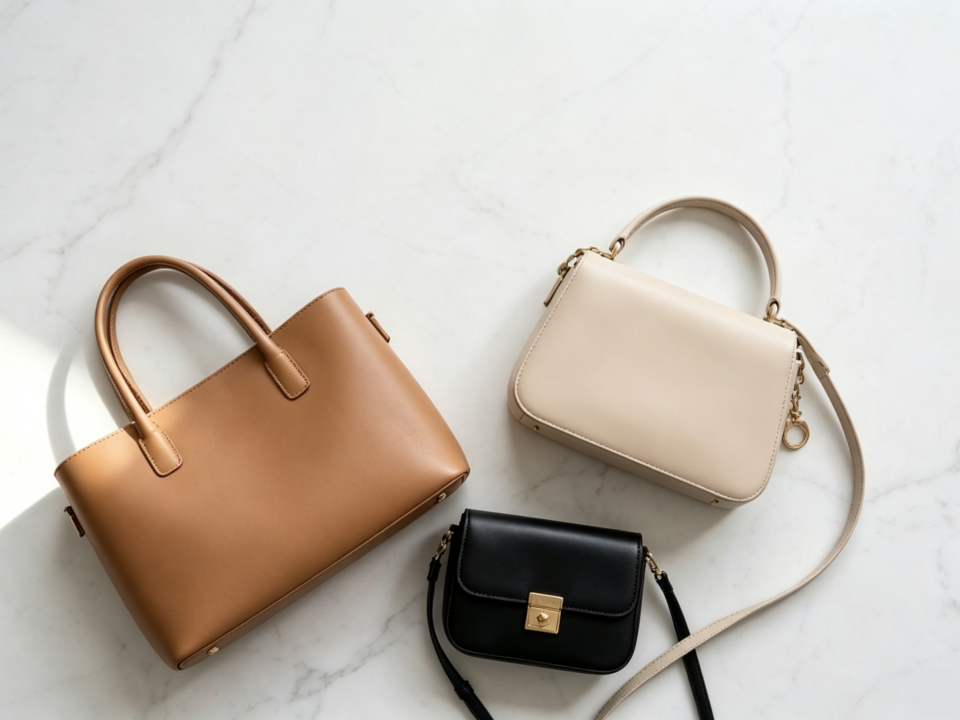
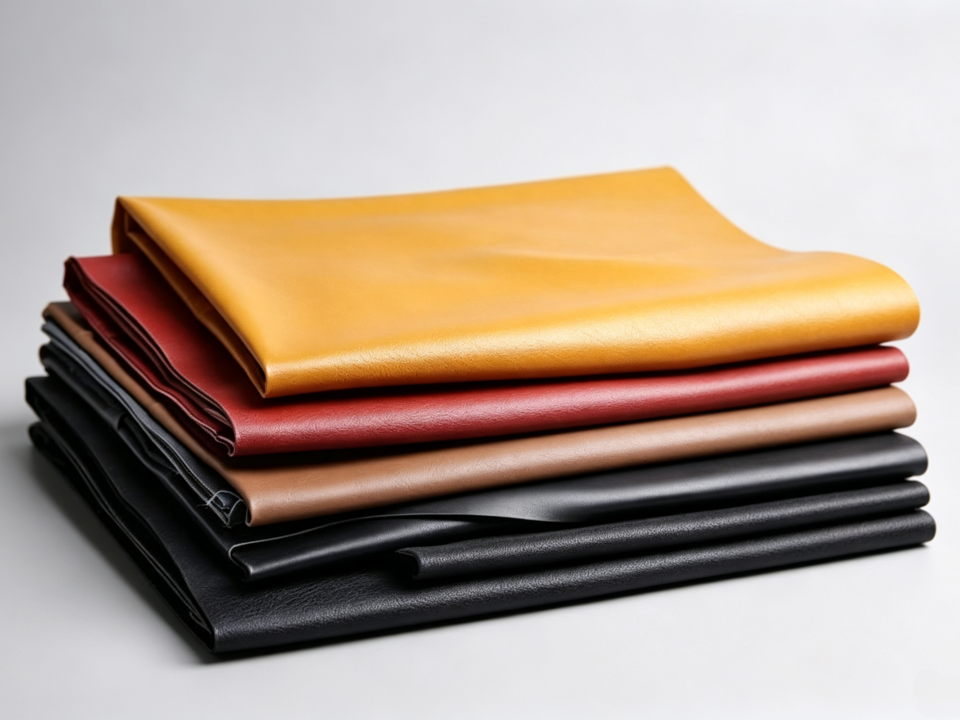
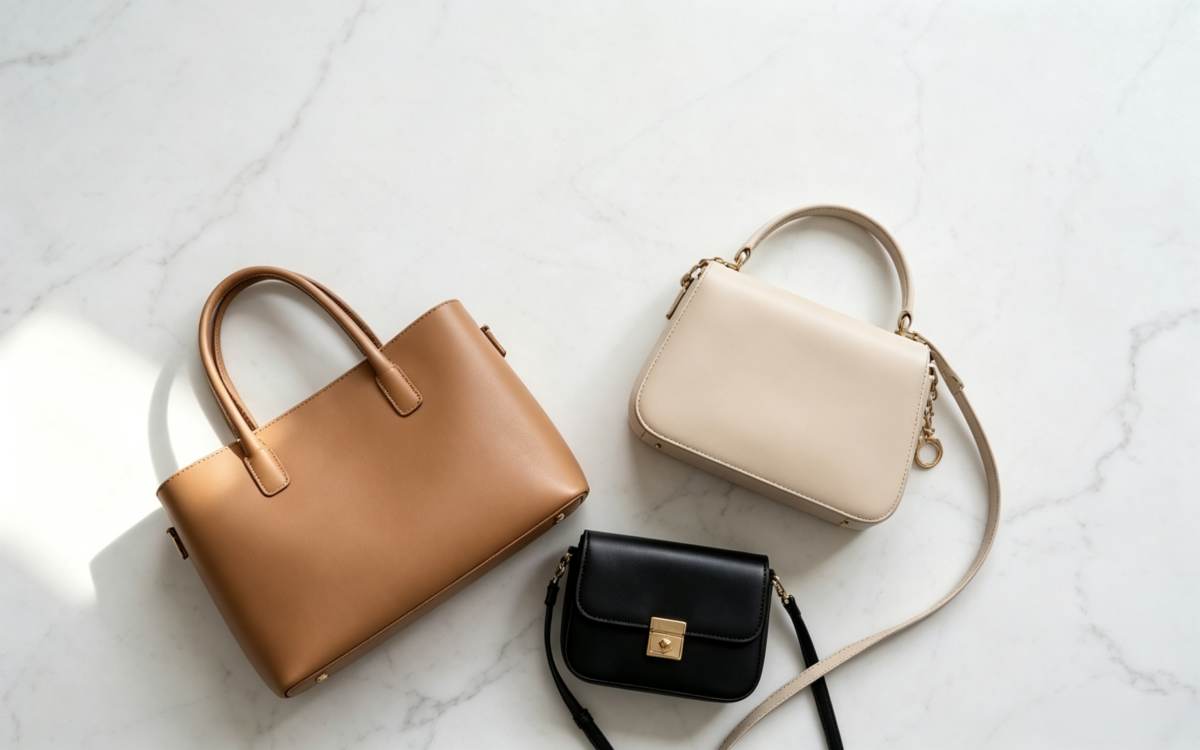
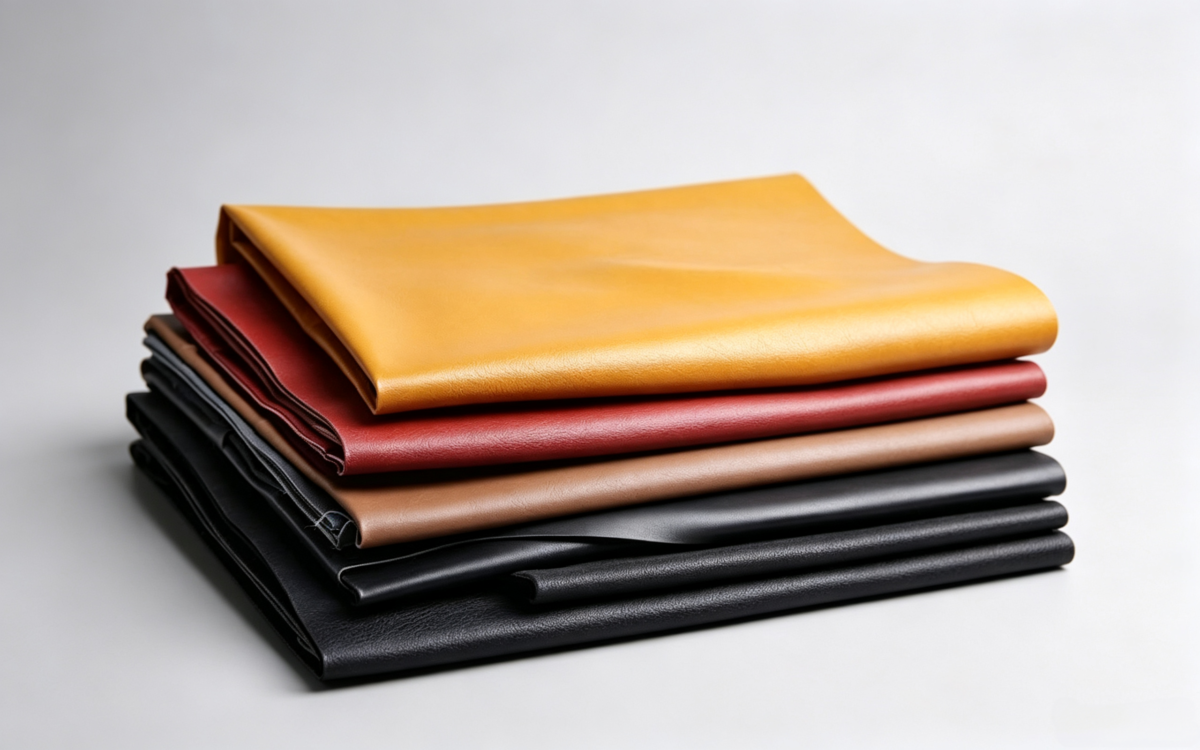
A leather handbag is more than a daily accessory — it is a timeless investment that defines personal taste, elegance, and lasting style. Premium leather bags age gracefully, developing a unique patina that enhances their beauty over years, while inferior leather products fade, crack, and lose their shape quickly. For every sophisticated woman who pursues quality, distinguishing high-grade leather from fake or low-quality materials is an essential skill for smart shopping. In this guide, we share professional, actionable tips to help you identify genuine, high-quality leather handbags and avoid mediocre imitations.
1. Distinguish Leather Grades (Core Standard of Quality)
Leather grade determines the durability, texture, and aging effect of a handbag. Not all “genuine leather” is high-end — the leather industry has strict hierarchical standards:
Full-Grain Leather: The top-tier leather material. It retains the complete natural grain, pores, and subtle texture of animal hide, with excellent breathability and toughness. Full-grain leather is scratch-resistant, pressure-resistant, and will form a delicate vintage patina with daily use, making it the first choice for luxury designer handbags.
Top-Grain Leather: The second-highest grade. After fine sanding and finishing, the surface is smooth, uniform, and slightly delicate. It balances durability and aesthetics, with stable texture and moderate price, ideal for daily high-end commuter bags.
Avoid Inferior Leather: Split leather and bonded leather are low-grade alternatives. Split leather lacks natural grain and is prone to peeling; bonded leather is made of leather scraps glued with chemical adhesives, which cracks and peels within a short service life, never worth investing in.
 2. Check Natural Texture & Visual Details
Genuine high-quality leather has unique natural irregularities, while fake leather and inferior synthetic leather show rigid, perfect uniformity.
Observe the surface closely: High-grade leather features scattered tiny natural pores and subtle uneven grain — these minor imperfections are the exclusive mark of genuine leather. Press the leather surface gently: premium leather produces delicate natural wrinkles that bounce back slowly and evenly. In contrast, fake leather remains stiff without natural creases, or forms rigid, regular folds that look unnatural.
In addition, high-quality leather has soft, saturated luster, neither dull nor overly shiny. Inferior leather relies on chemical coating for brightness, appearing greasy and artificial.
 3. Smell & Tactile Test (Most Intuitive Judgment)
Your senses are the most reliable tool for identifying leather quality. Premium genuine leather emits a mild, natural, earthy animal hide scent — pure and elegant without pungency.
On the contrary, low-grade leather, bonded leather, and synthetic leather carry strong chemical, plastic, or glue odors, which are uncomfortable and even irritating.
In terms of touch: High-quality leather is supple, smooth, and elastic, soft but not flabby, with a delicate velvet-like touch. It feels substantial but not bulky. Inferior leather is either overly hard and stiff or abnormally soft and loose, lacking tight texture and elastic tension.
4. Inspect Craftsmanship: Stitching & Edge Finishing
Leather quality is inseparable from exquisite craftsmanship. High-end leather handbags pursue rigorous details in every production process.
Stitching: Premium bags adopt uniform, dense, and neat stitching with consistent stitch spacing, no skipped stitches, loose threads, or crooked lines. The stitching fits the leather perfectly, ensuring structural stability and long-term durability.
Edge Finishing: This is the most overlooked detail that exposes quality flaws. High-quality leather bags undergo multiple processes of sanding, gluing, and polishing. The bag edges are smooth, flat, sealed tightly, without burrs, bubbles, or cracking. Low-quality products have rough, unpolished edges with uneven paint and easy peeling.
 5. Hardware & Lining Auxiliary Judgment
High-quality leather handbags are matched with premium accessories. Solid metal hardware (zippers, buckles, rivets) is smooth, textured, anti-rust, and durable, with smooth opening and closing without jamming. High-end brands usually adopt customized high-grade hardware such as YKK zippers.
The inner lining is thick, soft, and wear-resistant, with fine weaving and no peculiar smell. Inferior bags use thin, flimsy lining that is easy to pilling and tearing, paired with thin hollow hardware that is prone to oxidation and deformation.
 Final Verdict
A high-quality leather handbag is never defined by appearance alone, but by premium leather grade, natural texture, exquisite craftsmanship, and lasting durability. When purchasing, stay away from over-perfect fake textures and low-cost leather imitations. Focus on natural pores, flexible elasticity, fine stitching, and flawless edge finishing — these are the eternal standards of luxury leather goods.
Investing in a genuine high-grade leather bag is investing in timeless elegance that accompanies you through every life scene, becoming a lasting classic in your wardrobe.